By Anouk-Belle Janess, the Daily
In anthropology, the late 19th and early 20th centuries are referred to as the salvage era because anthropologists raced to collect and record Indigenous materials and cultures out of fear that they would soon vanish due to colonization and assimilation. While some anthropologists had respect and empathy for the communities they worked in, they never imagined their collected materials would later be used by the people to whom they belonged. They never anticipated that Indigenous resurgence would reclaim these collections for their sovereign goals such as language revitalization.
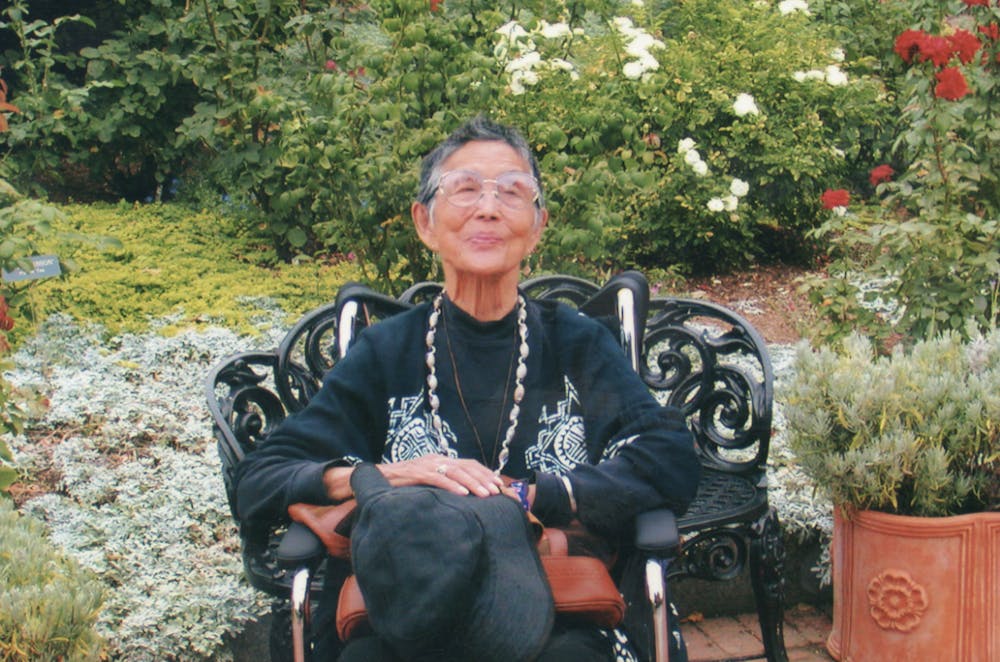
Upper Skagit Elder Vi taqʷšəblu (phonetically pronounced TAWKW-shuh-blue) Hilbert is largely credited with the revitalization of the Lushootseed language — part of the Salishan language family with dxʷləšucid (Northern) and txʷəlšucid (Southern) dialects. While taqʷšəblu had other vocations before her induction to Lushootseed language work, she viewed language work as her “right work,” work the Creator and her ancestors guided her to.
“That work was a gift. sx̌ʷitil sʔuy̓ay̓us,” taqʷšəblu said. “Work that the Creator bestowed on me. I was ordained to do this work. It was always there, waiting for me to do.”