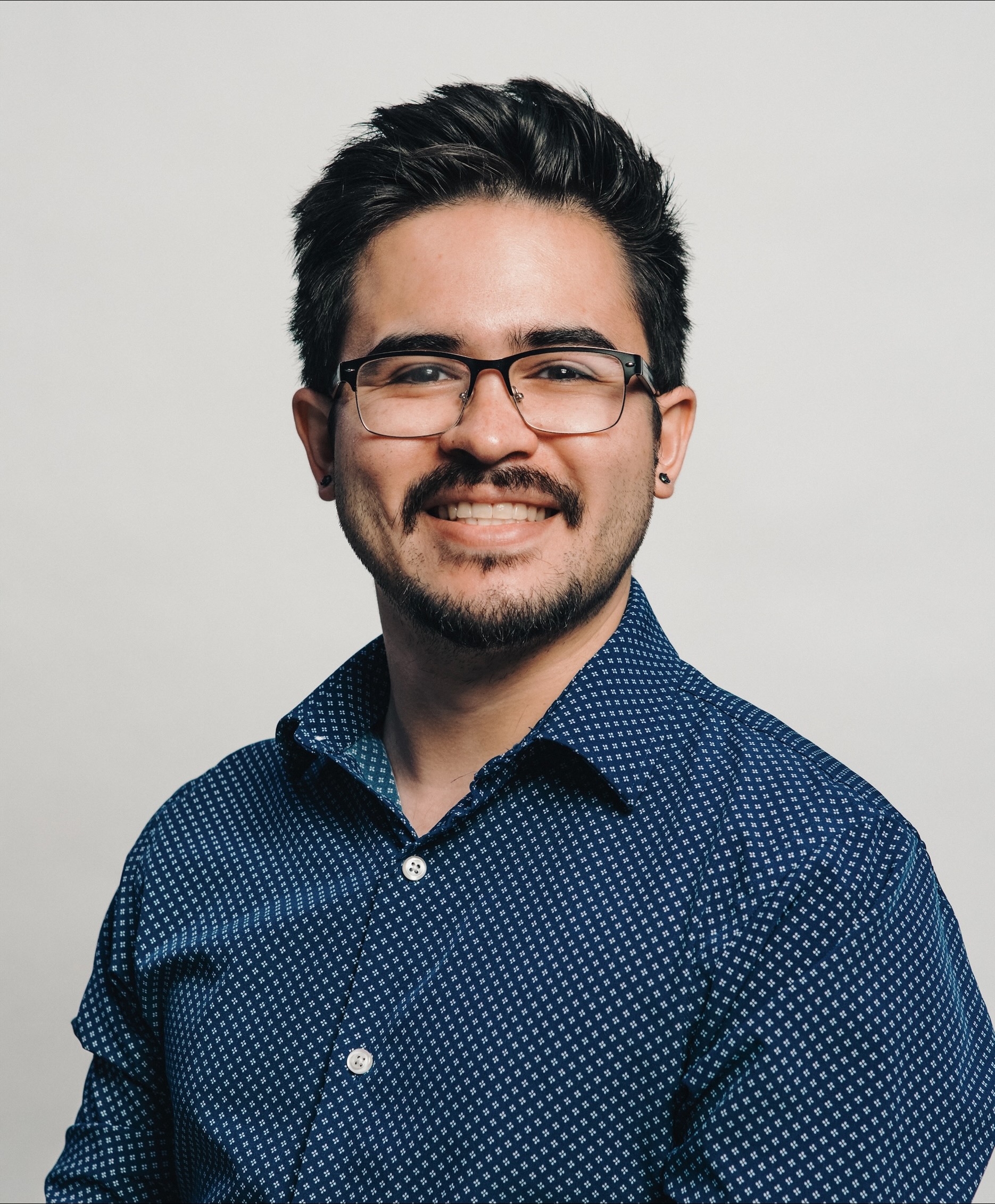
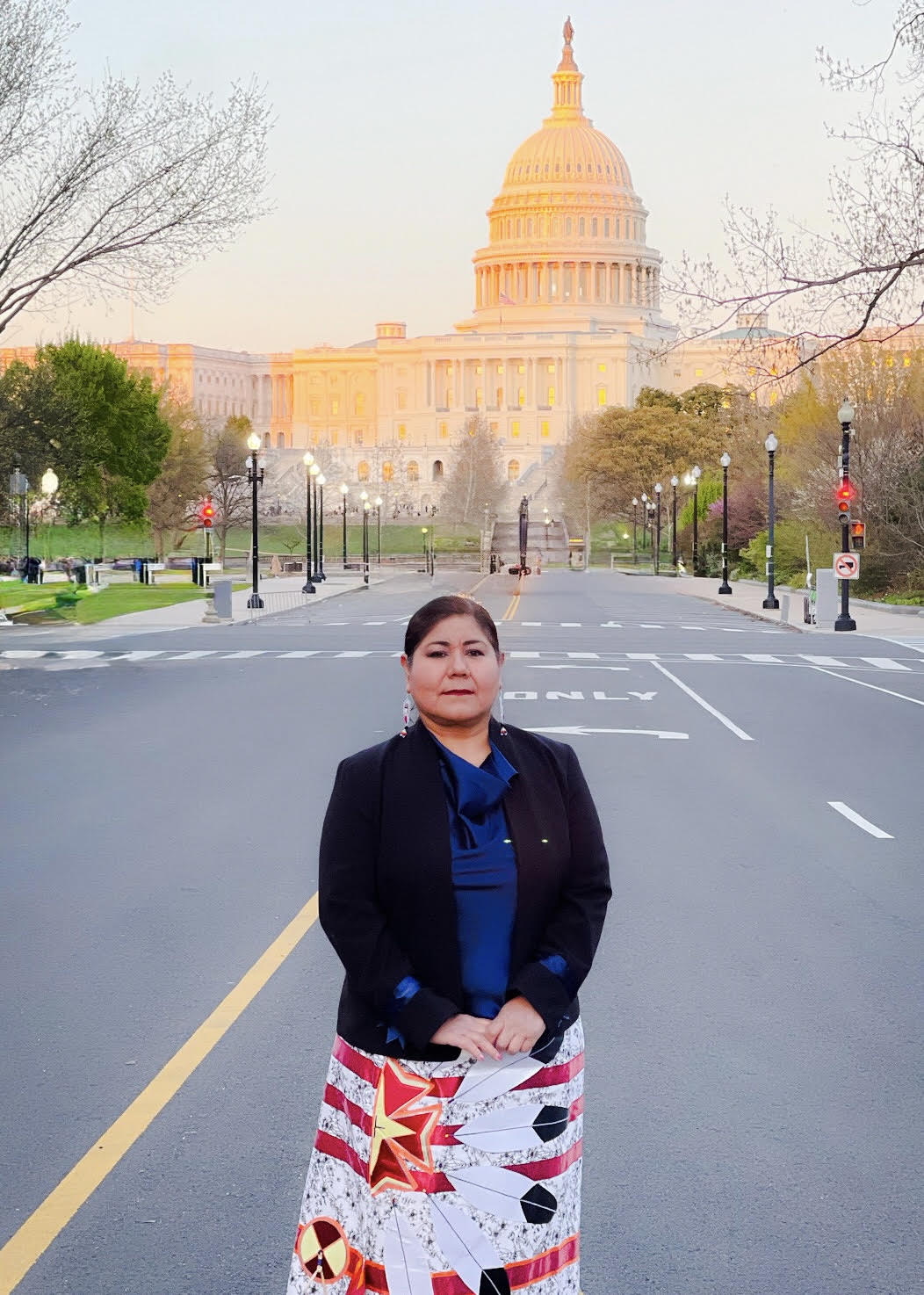
The School of Music and the UW Indigenous Arts Collaboratory present a talk by Maxwell Yamane (assistant professor, University of Oklahoma School of Music) and Mary Phillips (Umoⁿhoⁿ/Laguna Pueblo), “Powwow in the Capital: The Native American Urban Community and Sonic Acts in Washington, D.C.,” in this installment of the THEME Lecture series.
Abstract
In this collaborative talk, we examine how powwow singers mobilize song and sound to assert Indigeneity in the heart of the settler colonial nation-state. Drawing on ethnographic research, performance analysis, and Indigenous methodologies, Yamane examines what he calls “sonic acts,” powwow performances that enact both generative Indigenous world-making (resurgence) and direct disruption of settler colonialism (interference). He analyzes two case studies: 1) powwow at the Pentagon as a form of martial resurgence nested within the U.S. military, and 2) powwow as sonic interference during the Change the Name movement against Indian stereotyping in the Washington football team. Mary Phillips (Umoⁿhoⁿ/Laguna Pueblo), a DC-based consultant and powwow singer, reflects on her praxis of “speaking in Red” and performing at federal institutions. We conclude by describing a related co-curated, community-based archival project for the DC Native community. Together, we demonstrate the power of Indigenous musicking to transform and reclaim settler institutions, soundscapes, and land in the nation’s capital.
Biographies
Maxwell Yamane is an assistant professor of ethnomusicology at the University of Oklahoma. He is Yonsei (四世, Fourth Generation Japanese American) and resides in Oklahoma, the traditional territories of the Caddo, Wichita, and traveling Tribes such as the Kiowa, Osage, and Comanche Nations.
Maxwell’s academic interests include Indigenous music studies, language reclamation/revitalization and music, powwow, as well as Indigenous protests and music. His dissertation examines how music, particularly Kiowa Christian hymns, play a key role in the resurgence of Kiowa language and identity. Maxwell’s co-published work with Mary Phillips (Omaha/Laguna Pueblo) on the politics of telling stories about Indigenous languages was published in the Journal for Multilingualism and Multicultural Development. His activist work during the #NoDAPL movement in Washington, D.C., was co-published with Erik Gooding and Bret Salter in American Comparative Studies. Maxwell also presented his research at Society for Ethnomusicology, Mid-Atlantic Chapter Society for Ethnomusicology, and Texas Tech University Indigenous Literature conferences.
Prior to teaching at OU, Maxwell served as a Program Specialist and Program Analyst at the Administration for Native Americans in Washington, D.C., where he worked closely with a multitude of American Indian, Alaska Native, and Pacific Islander projects that centered around social-economic development, environmental regulatory enhancement, and language preservation and maintenance through community-based efforts. He also contributed to several inter-agency initiatives that support critical grassroots initiatives, including the White House Council on Indian Affairs 10-Year Native Language Revitalization Plan.
Maxwell is dedicated to culturally-responsible and collaborative research that benefits the community. In his free time, he sings with Zotigh, Ottertrail, and Uptown powwow drum groups.
Mary Phillips is an enrolled member of the Pueblo of Laguna tribe and also from the Umoⁿhoⁿ (Omaha) Tribe of Nebraska. Her career has focused on program evaluation, community-based research, community development, and strategic planning for tribes and Native Americans living in urban areas. She was the co-editor and a chapter author of the book, “Speaking In Red: Healing and Mental Health for Native Americans”. She is also a powwow dancer and sings “lady back-up” for Native American powwow drum groups.
Series Background
THEME: A colloquium of UW faculty and students of Theory, History, Ethnomusicology, and Music Education held on select Friday afternoons during the academic year.